
Expert Engine Repair & Diagnostics Services in Islamabad
Your engine is the heart of your vehicle. When it’s not running right – whether it’s making strange noises, losing power, consuming too much oil, or refusing to start – you need experts who can diagnose the real problem and fix it properly.
At Auto Surgeon Workshop, we don’t just guess or throw parts at problems. We use advanced diagnostic equipment and decades of combined experience to identify exactly what’s wrong with your engine, explain it clearly, and repair it right the first time.
From routine maintenance like timing belt replacement to complex repairs like head gasket jobs or complete engine rebuilds, we handle it all with the professionalism and expertise your vehicle deserves.
📞 Call Now: +92 342 9810577| 📅 Book Appointment | 💬 WhatsApp Us
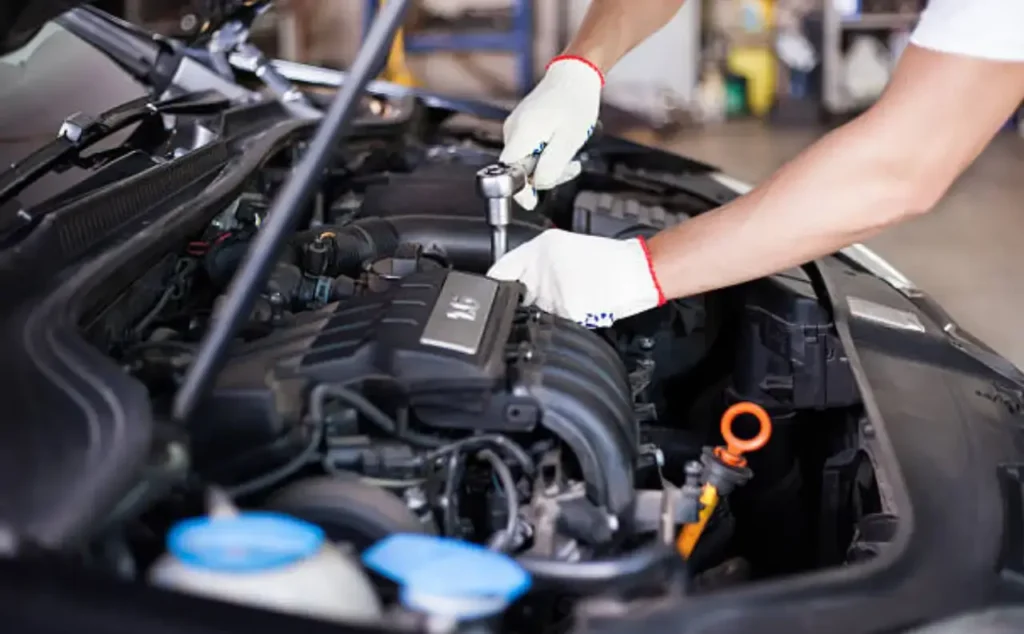
Understanding Your Engine's Health
Modern engines are sophisticated machines with hundreds of moving parts working in perfect harmony. When something goes wrong, the symptoms might seem mysterious:
- A check engine light that won’t go away
- Loss of power or poor acceleration
- Rough idle or stalling
- Strange knocking or ticking sounds
- White, blue, or black smoke from exhaust
- Oil disappearing between changes
- Overheating issues
- Hard starting or no start conditions
Each symptom tells a story, and our job is to read that story correctly. With the right diagnostic equipment and expertise, we can pinpoint problems that might take other workshops days of trial-and-error to find.
Why Choose Auto Surgeon for Engine Repairs?
Advanced Engine Diagnostics
We’ve invested heavily in professional diagnostic equipment because accurate diagnosis is the foundation of proper repair:
Our Diagnostic Capabilities:
- Professional scan tools that read live data from all engine sensors
- Compression testing equipment to check cylinder health
- Leak-down testers to find internal engine problems
- Oscilloscopes for analyzing ignition and fuel injection systems
- Smoke machines for finding vacuum leaks
- Bore scopes for internal engine inspection without disassembly
- Technical databases with repair procedures and specifications
This equipment lets us see what’s happening inside your engine without unnecessary disassembly, saving you time and money.
Experienced Engine Specialists
Our technicians aren’t just general mechanics – they’re engine specialists who:
- Understand modern engine management systems
- Know the difference between symptoms and root causes
- Can diagnose problems other workshops miss
- Have experience with everything from routine service to complete rebuilds
- Stay current with training on new engine technologies
- Know common failure patterns in different vehicle makes
When you’ve worked on thousands of engines, you develop an instinct for problems that no textbook can teach.
Honest, Transparent Service
Engine repairs can be expensive, which is why honesty matters so much:
Our Commitment:
- We explain what’s wrong in terms you can understand
- We show you the problem when possible (photos, videos, or in person)
- We provide detailed written estimates before starting work
- We discuss all your options, including cost-versus-benefit
- We never recommend unnecessary work
- We tell you if a problem can wait or needs immediate attention
Sometimes the honest answer is “your engine needs replacement” rather than spending money on repairs that won’t last. We’ll tell you the truth, even if it’s not what you want to hear.
Quality Parts & Workmanship
Engine repairs done wrong can fail quickly, leaving you with the same problem plus additional damage:
Our Standards:
- We use OEM or premium aftermarket parts (your choice)
- We follow manufacturer repair procedures
- We use proper torque specifications and tools
- We test repairs thoroughly before returning your vehicle
- We provide warranty coverage on parts and labor
Cutting corners on engine work is penny-wise and pound-foolish. We do it right the first time.
Common Engine Problems We Diagnose & Repair
1. Check Engine Light / Performance Issues
Symptoms:
- Check engine light illuminated
- Loss of power or poor acceleration
- Rough idle or engine shaking
- Hesitation during acceleration
- Poor fuel economy
- Engine running too rich or too lean
Common Causes:
- Sensor failures – Oxygen sensors, MAF sensors, throttle position sensors
- Ignition problems – Worn spark plugs, failing ignition coils
- Fuel system issues – Clogged injectors, weak fuel pump, dirty fuel filter
- Vacuum leaks – Cracked hoses, intake gasket leaks
- EGR system problems – Stuck EGR valves, clogged passages
- PCV system issues – Affecting engine breathing
- Compression loss – Worn piston rings, valve problems
Our Diagnostic Process:
We don’t just read the code and replace the part it points to. Here’s why:
A P0171 code says “System Too Lean (Bank 1).” But why is it lean? Could be:
- A vacuum leak
- A dirty MAF sensor giving false readings
- A weak fuel pump not delivering enough pressure
- Clogged fuel injectors
- An exhaust leak affecting oxygen sensor readings
- Or an actual failed oxygen sensor
We test each possibility systematically to find the real cause.
2. Engine Overheating
Symptoms:
- Temperature gauge rising into red zone
- Steam from under hood
- Coolant leaking or disappearing
- Sweet smell from engine bay
- White smoke from exhaust (severe cases)
- Heater not working properly
Common Causes:
- Coolant leaks – Radiator, hoses, water pump, heater core
- Thermostat failure – Stuck closed, preventing coolant flow
- Radiator problems – Clogged, restricted, or damaged
- Water pump failure – Not circulating coolant properly
- Head gasket failure – Combustion gases entering cooling system
- Cooling fan issues – Not running when needed
- Blocked radiator – Dirt, debris, or internal corrosion
Why Overheating is Serious:
Overheating can destroy your engine quickly. Modern aluminum engines can warp in minutes if severely overheated. If your temperature gauge rises into the red:
- Pull over safely immediately
- Turn off the engine
- Don’t open the radiator cap (it’s under pressure)
- Call us for advice or towing
Our Solution:
We perform complete cooling system diagnostics:
- Pressure test to find leaks
- Thermostat function testing
- Water pump inspection
- Radiator flow testing
- Cooling fan operation verification
- Combustion gas test (checks for head gasket failure)
- System flush if needed
3. Oil Leaks
Symptoms:
- Oil spots under car after parking
- Low oil level between changes
- Burning oil smell
- Smoke from engine compartment
- Oil on driveway or parking spot
Common Leak Sources:
- Valve cover gasket – Very common, usually easy fix
- Oil pan gasket – More labor-intensive
- Front/rear main seals – Significant repair (transmission removal often needed)
- Oil filter or drain plug – Simple fix if recently serviced
- Timing cover gasket – Moderate repair complexity
- Camshaft seals – Varies by engine design
- Turbo oil lines – On turbocharged engines
Why Oil Leaks Matter:
Beyond the mess on your driveway:
- Oil on hot exhaust can cause fires
- Low oil levels can destroy your engine
- Oil leaks worsen over time
- It’s environmentally harmful
- They can lead to failure of other components (like belts)
Our Approach:
Oil leaks can be tricky to locate because oil travels and drips far from the actual leak source. We:
- Clean the engine thoroughly
- Use UV dye if needed to trace leak source
- Identify the exact leak point
- Provide estimate for proper repair (not just a quick patch)
Some oil leaks can wait; others need immediate attention. We’ll give you honest advice about urgency.
4. Timing Belt / Chain Replacement
Why This Service is Critical:
Your timing belt or chain synchronizes the crankshaft and camshaft, ensuring valves open and close at exactly the right time. If it breaks:
Interference Engines: Pistons hit valves, causing catastrophic damage. Repair costs: 200,000 – 400,000 rupees.
Non-Interference Engines: Engine stops but usually no internal damage. Still leaves you stranded.
Timing Belt Service Intervals:
- Most manufacturers: Every 80,000 – 100,000 km
- Some vehicles: Every 60,000 km
- Check your owner’s manual for specific interval
- Age matters too: Replace at 5-7 years even if mileage is low
What We Replace During Timing Belt Service:
Smart mechanics know that if you’re in there replacing the timing belt, you should also replace:
- Water pump – Often driven by timing belt; labor is already done
- Tensioner and idler pulleys – Wear out at same rate as belt
- Drive belts – Convenient time to replace
- Coolant – Engine is already drained
Replacing these components together prevents having to go back in later for a $500 part after paying for labor twice.
Timing Chain Service:
Timing chains last longer than belts but aren’t maintenance-free:
- They stretch over time
- Tensioners and guides wear out
- Rattling on startup indicates chain wear
- If neglected, they can fail (expensive damage)
5. Head Gasket Failure
Symptoms:
- White smoke from exhaust (sweet smell)
- Overheating with no obvious leak
- Coolant disappearing with no visible leak
- Oil looks milky (coolant mixing with oil)
- Bubbles in radiator or overflow tank
- Loss of coolant pressure
- Engine misfiring
What is a Head Gasket?
The head gasket seals the junction between your engine block and cylinder head. It must:
- Contain combustion pressure (up to 1,000+ PSI)
- Seal oil passages
- Seal coolant passages
- Handle extreme temperature changes
When it fails, fluids mix where they shouldn’t or combustion gases escape.
Why Head Gaskets Fail:
- Overheating – #1 cause; warps metal surfaces
- Age and mileage – Normal wear over time
- Poor maintenance – Old coolant loses protective properties
- Design flaws – Some engines have problematic gaskets
- Improper previous repair – Incorrect torque or procedure
Our Head Gasket Service:
This is major surgery for your engine. We:
- Verify the diagnosis – Other problems can mimic head gasket failure
- Remove cylinder head – Careful disassembly following procedures
- Inspect surfaces – Check for warping (needs machining if warped)
- Machine head if needed – Must be flat for proper seal
- Replace gasket and bolts – New head bolts are often required
- Reassemble with proper torque – Critical for seal integrity
- Refill and bleed cooling system – Remove all air
- Test thoroughly – Verify repair before returning vehicle
Should You Repair or Replace Engine?
If your engine has high mileage and other issues, head gasket replacement might not make economic sense. We’ll discuss:
- Cost of repair vs. used engine
- Overall engine condition
- Vehicle value and your plans for it
- Most cost-effective option
6. Engine Noise Diagnosis
Strange Noises We Investigate:
Knocking/Pinging Sounds:
- During acceleration: Usually spark knock (needs tuning or better fuel)
- At idle: Could be rod bearings (serious)
- Regular tapping: Possibly valve train issues
Ticking Noises:
- Fast ticking: Often lifter/tappet issues
- Slow ticking at startup: Might be normal (some engines)
- Continuous ticking: Could be valve clearance or camshaft wear
Rattling Sounds:
- On startup: Possibly timing chain or VVT actuator
- When accelerating: Could be exhaust heat shield or loose components
- All the time: Various possibilities (need diagnosis)
Squealing:
- High-pitched: Usually drive belt related
- When turning: Power steering pump
- Constant: Bearing failure somewhere
Grinding:
- When starting: Starter motor issues
- While running: Serious internal problem (stop driving!)
Rumbling:
- Exhaust-related: Possible leak or damaged muffler
- Deep rumble: Could be bearing failure
Why Professional Diagnosis Matters:
Engine noises can be difficult to pinpoint. The sound travels through the engine block and can seem to come from somewhere other than the actual source. We use:
- Mechanic’s stethoscopes
- Experience with sound patterns
- Test drives to replicate conditions
- Systematic component testing
Some noises are normal characteristics; others indicate serious problems. We’ll tell you which is which.
7. Engine Won’t Start
Symptoms:
- Engine cranks but won’t start
- Engine cranks slowly or not at all
- Intermittent starting problems
- Starts then immediately dies
Common Causes:
Fuel System Issues:
- Weak or failed fuel pump
- Clogged fuel filter
- Faulty fuel injectors
- Bad fuel (contaminated or wrong type)
- Fuel pressure regulator failure
Ignition System Issues:
- Worn spark plugs
- Failed ignition coils
- Distributor problems (older vehicles)
- Ignition module failure
- Damaged spark plug wires
Sensor/Computer Issues:
- Camshaft or crankshaft position sensor failure
- MAF sensor problems
- Throttle position sensor issues
- ECU problems
Mechanical Issues:
- Broken timing belt/chain
- Low compression
- Valve timing problems
Our Diagnostic Process:
Starting problems can be frustrating because they’re often intermittent. We systematically test:
- Battery and charging system – Rule out electrical
- Fuel pressure – Verify fuel is reaching injectors
- Spark – Confirm ignition system is firing
- Compression – Check mechanical engine health
- Sensor signals – Verify ECU is getting needed information
- Timing – Ensure timing belt/chain hasn’t failed
By process of elimination, we find the cause quickly.
8. Excessive Oil Consumption
Symptoms:
- Need to add oil frequently between changes
- Blue smoke from exhaust (especially on startup)
- Oil smell from exhaust
- Fouled spark plugs
- Low oil pressure warning
Common Causes:
- Worn piston rings – Allow oil to burn in combustion chamber
- Valve seal deterioration – Oil drips past valves into cylinders
- PCV system problems – Creating excessive crankcase pressure
- Turbocharger seal failure – On turbocharged engines
- External leaks – Sometimes the “consumption” is actually leaking
How Much is Too Much?
Some oil consumption is normal, especially on higher-mileage engines:
- Normal: Up to 1 liter per 5,000 km
- Moderate concern: 1 liter per 2,000 km
- Serious problem: 1 liter per 1,000 km or less
Our Diagnostic Approach:
Determining WHY your engine consumes oil requires:
- Compression testing – Checks ring seal
- Leak-down testing – Identifies where compression is lost
- PCV system inspection – Often overlooked culprit
- External leak inspection – Rule out simple leaks
- Turbo inspection – If equipped
Repair Options:
Depending on the cause:
- PCV system repair: PKR 3,000 – 8,000 (cheap fix if this is the cause)
- Valve seals: PKR 35,000 – 60,000 (head removal required)
- Piston rings: PKR 80,000+ (major engine work)
- Engine replacement: If internal wear is severe
We’ll help you understand if repair makes economic sense or if driving it as-is (adding oil) is the practical choice.
9. Turbocharger Issues
Symptoms:
- Loss of power (turbo not boosting)
- Excessive oil consumption
- Blue smoke from exhaust
- Whistling or whining noise
- Check engine light with turbo-related codes
- Sluggish acceleration
Common Turbo Problems:
- Bearing failure – From oil starvation or contamination
- Wastegate sticking – Affects boost control
- Boost leaks – Cracked intercooler or loose hoses
- VGT mechanism failure – On variable geometry turbos
- Compressor or turbine damage – From foreign object ingestion
Why Turbos Fail: Most turbo failures are preventable:
- Oil starvation – Delayed oil changes or low oil
- Contaminated oil – Dirt or metal particles
- Hot shutdowns – Turning engine off immediately after hard driving
- Air filter neglect – Dirt entering compressor
- Oil line restrictions – Preventing proper lubrication
Our Turbo Service:
If your turbo is failing, we:
- Diagnose the root cause – Why did it fail?
- Check oil passages – Ensure proper oil supply
- Inspect related components – Intercooler, hoses, wastegate
- Replace or repair – Discuss options (rebuilt vs. new)
- Address the cause – Prevent repeat failure
Important: Simply replacing a failed turbo without fixing what killed it often results in the new turbo failing quickly too.
10. Engine Performance Tuning
What is Engine Tuning?
Modern engines are controlled by computers (ECUs) that can be reprogrammed for:
- Better performance (more power)
- Improved fuel economy
- Smoother power delivery
- Removing factory limitations
Our Tuning Services:
Stage 1 Tuning (Basic):
- ECU remapping for better performance
- Improved throttle response
- +10-15% power increase typical
- Starting from PKR 15,000
Stage 2 Tuning (Moderate):
- ECU remapping
- Improved intake and exhaust
- +20-30% power increase possible
- Starting from PKR 35,000
Custom Tuning:
- For modified engines
- Dyno testing and optimization
- Custom maps for specific modifications
- Price varies by complexity
Who Benefits from Tuning?
- Diesel vehicle owners (great results)
- Turbocharged vehicles
- Those wanting better fuel economy
- Performance enthusiasts
- Anyone with factory power restrictions
Safety Note: We only tune within safe limits for your engine. Aggressive tuning that damages reliability isn’t worth it.
Our Engine Repair Process
Step 1: Initial Assessment
When you arrive:
- We listen carefully to your description of symptoms
- We ask about when problems occur and under what conditions
- We review vehicle history and maintenance
- We do a visual inspection of obvious issues
Step 2: Diagnostic Testing
Based on symptoms, we perform appropriate tests:
- Computer diagnostics to read codes and live data
- Compression testing if internal engine problems suspected
- Fuel pressure testing
- Ignition system testing
- Vacuum leak detection
- Whatever tests are needed to pinpoint the problem
Step 3: Diagnosis Explanation
Once we identify the problem:
- We explain what’s wrong in clear terms
- We show you the problem when possible
- We discuss why it happened
- We explain what happens if you don’t fix it
Step 4: Repair Estimate
Before any repair work:
- Detailed written estimate with parts and labor
- Discussion of any options (new vs. rebuilt parts, etc.)
- Realistic timeline for completion
- Your approval is required before we proceed
Step 5: Professional Repair
Our technicians:
- Follow manufacturer repair procedures
- Use proper tools and torque specifications
- Install quality parts (OEM or premium aftermarket)
- Work systematically and carefully
- Update you if any additional issues are found
Step 6: Quality Control
After repairs:
- Test drive to verify problem is resolved
- Re-scan computer systems
- Check for any related issues
- Ensure everything works properly
- Clean up any mess from the repair
Step 7: Final Inspection
Before you leave:
- Review completed work
- Explain what was done and why
- Provide maintenance recommendations
- Answer all questions
- Give you warranty documentation
Vehicles We Service
Japanese Vehicles: Toyota, Honda, Nissan, Suzuki, Mitsubishi, Mazda, Subaru, Daihatsu
European Vehicles: BMW, Mercedes-Benz, Audi, Volkswagen, Volvo, Land Rover
American Vehicles: Ford, Chevrolet, Dodge, Jeep, GMC
Korean Vehicles: Hyundai, Kia, Daewoo
Chinese Vehicles: All Chinese brands sold in Pakistan
We have experience with all engine types:
- Naturally aspirated (NA)
- Turbocharged
- Diesel (including common rail)
- Hybrid (electric + gasoline)
- Small economy engines to large V8s
Engine Service Pricing Guide
Note: Prices vary by vehicle make/model and specific conditions. Estimates provided before work begins.
Preventive Engine Maintenance
How to Avoid Expensive Engine Repairs:
1. Regular Oil Changes
- Follow manufacturer intervals (typically 5,000-7,000 km in Pakistan)
- Use correct oil specification
- Change oil filter every time
- Don’t extend oil change intervals “just a little more”
2. Cooling System Maintenance
- Check coolant level regularly
- Replace coolant every 2-3 years
- Address leaks promptly
- Don’t ignore overheating warnings
3. Timing Belt Replacement
- Follow manufacturer schedule religiously
- Don’t wait for symptoms (there usually aren’t any before failure)
- Replace water pump and tensioners at same time
4. Air Filter Changes
- Replace at recommended intervals
- More often in dusty conditions (Pakistan!)
- Clogged filter reduces performance and economy
5. Quality Fuel
- Use reputable fuel stations
- Use correct octane rating
- Keep tank above 1/4 full
- Consider fuel system cleaner occasionally
6. Address Problems Early
- Don’t ignore check engine lights
- Strange noises need investigation
- Small leaks become big leaks
- Minor problems often become major ones
7. Warm Up and Cool Down
- Let engine idle briefly before driving
- Avoid immediate high-speed driving when cold
- Let turbo engines idle before shutdown after hard driving
Cost of Prevention vs. Repair:
- Oil change: PKR 4,000 every 5,000 km
- New engine: PKR 200,000 – 500,000
The choice is obvious.
Engine Rebuild vs. Replacement
When Does Your Engine Need This?
If your engine has:
- Severe internal wear (low compression, excessive oil consumption)
- Major failure (spun bearings, broken crankshaft)
- Overheating damage (warped block or head)
- Catastrophic timing belt failure damage
You face a decision: rebuild or replace?
Engine Rebuild:
Pros:
- Your original engine is restored
- Can be more reliable than used engine
- Keeps vehicle history intact
- Customization possible during rebuild
Cons:
- Expensive (PKR 100,000 – 300,000+)
- Takes time (often 1-2 weeks)
- Dependent on machine shop quality
Used Engine Replacement:
Pros:
- Usually less expensive
- Faster (often 2-3 days)
- Known mileage (if verifiable)
Cons:
- Unknown history and condition
- No warranty on internal condition
- Might have hidden problems
- May need work to fit your specific vehicle
Our Recommendation:
We’ll help you decide based on:
- Your vehicle’s value
- Your budget
- How long you plan to keep the vehicle
- Availability and cost of used engines
- Severity of current engine damage
Sometimes the honest answer is “this repair costs more than the car is worth.”
Frequently Asked Questions
Q: How long does engine repair take?
A: Depends on the repair:
- Minor repairs: Same day to 1 day
- Moderate repairs (timing belt, head gasket): 1-3 days
- Major repairs (rebuild): 1-2 weeks
- We provide timeline estimates when providing repair quote
Q: Can I drive with a check engine light on?
A: Depends on the problem:
- Some codes are minor and can wait
- Others indicate serious problems that can cause damage
- Flashing check engine light = stop driving immediately
- We can diagnose urgency for your specific code
Q: Should I fix my engine or buy another car?
A: Consider:
- Repair cost vs. vehicle value
- Cost of replacing vehicle
- Your attachment to current vehicle
- Reliability of used vehicles in your budget
- We’ll give honest advice without pressure
Q: How do I know if I need a new engine?
A: Signs that indicate engine replacement might be needed:
- Severe knocking noises
- Extremely low compression in multiple cylinders
- Catastrophic internal failure
- Excessive oil consumption with high mileage
- Cost of repair exceeds engine replacement cost
Q: Are rebuilt engines reliable?
A: When done properly, yes:
- Quality machine work is crucial
- Proper assembly procedures essential
- Using quality parts matters
- Breaking in the rebuilt engine correctly
- Many rebuilt engines outlast original engines
Q: What’s the difference between overheating and running hot?
A: Running hot: Temperature higher than normal but not in red zone. Needs attention but not emergency.
Overheating: Temperature in red zone or warning light on. Stop driving immediately to prevent damage.
Q: Can small oil leaks become big problems?
A: Yes:
- Oil on belts can cause them to slip or fail
- Oil on exhaust can cause fires
- Leaks worsen over time
- Low oil from leaking can damage engine
- Address leaks before they become serious
Q: Is synthetic oil worth the extra cost?
A: For most modern engines, yes:
- Better protection, especially at extreme temperatures
- Longer life between changes (if manufacturer allows)
- Better performance in cold weather
- Reduced engine wear
- Cost difference isn’t huge (about 30-40% more)
Q: Why do timing belts break if there’s no warning?
A: Timing belts are internal, so you can’t see them wearing. They’re designed to last a specific interval, then be replaced before failure. It’s preventive maintenance, not reactive repair.
Q: Can I use cheaper fuel to save money?
A: Using lower octane than required causes:
- Knocking/pinging (damaging to engine)
- Reduced performance and economy
- Potential engine damage over time
- Savings on fuel are lost to damage and repairs
Use the octane rating your vehicle requires.
When to Get Emergency Engine Service
Call us immediately if:
- Temperature gauge enters red zone
- Oil pressure warning light comes on
- Engine makes sudden loud knocking or grinding noise
- Large amounts of smoke from exhaust
- Coolant or oil gushing out
- Engine suddenly loses all power
What to do:
- Pull over safely as soon as possible
- Turn off engine
- Don’t attempt to drive further
- Call us: +92 342 9810577
- Arrange towing if needed
Continuing to drive with these symptoms can turn a repairable problem into complete engine failure.
Our Engine Service Guarantee
When you trust Auto Surgeon Workshop with your engine:
✅ Accurate diagnosis using professional equipment
✅ Transparent communication about what’s wrong
✅ Honest recommendations without unnecessary work
✅ Quality repairs following proper procedures
✅ Warranty coverage on parts and labor
✅ Fair pricing with detailed estimates
✅ Timely service with realistic completion times
Your engine is too important to trust to guesswork. We diagnose it right and fix it right.
Book Your Engine Diagnostic Appointment
Whether your check engine light is on, you’re hearing strange noises, or your engine just isn’t running right, we can help. Professional diagnosis is the first step to getting your vehicle back to peak performance.
📞 Call: +92 342 9810577
📧 Email: info@auto-surgeon.com
📍 Location: Shop No: 81, Street 4, Auto Market I-10/3, Islamabad
⏰ Hours: Open 24/7 – 365 Days